
The Broken Dream
As we embrace decentralized dream to resist the abuses of centralized power, we also give up the enforcement mechanisms that deal with wrongdoing. Without safeguards, crypto is slowly turning into a dystopia where bad actors like hackers and malicious founders are heavily incentivized and rewarded to hack and steal in broad daylight with little consequence.
This dystopia is slowly killing the decentralized industry following Gresham’s Law, where good actors are gradually driven out till only bad actors left.

Sir Thomas Gresham (1519–1579)
Failed Attempt
Early-stage Ethereum did have an attempted solution — “Code is Law”, which uses smart contracts’ immutability to prevent misconduct. Unfortunately, this hasn’t worked out, largely due to vulnerabilities in smart contracts as well as the practical needs of upgradability, which remains as an industry disagreement till today.
Now that the crypto space is flawed, we didn’t come up with a new solution but ignored the flaw because we have become numb to the hacks and rug pulls happening all the time. This is rather irresponsible. And it is even worse when we onboard the next million innocent users, exposing them to sophisticated hackers and social engineering attacks with their life savings at stake.
A Crypto-Native Alternative
We need a new solution, one without centralized power while still be able to deter malicious actors. USD8 is our attempt at this, our mission is to restore the missing layer of order enforcement in DeFi security.
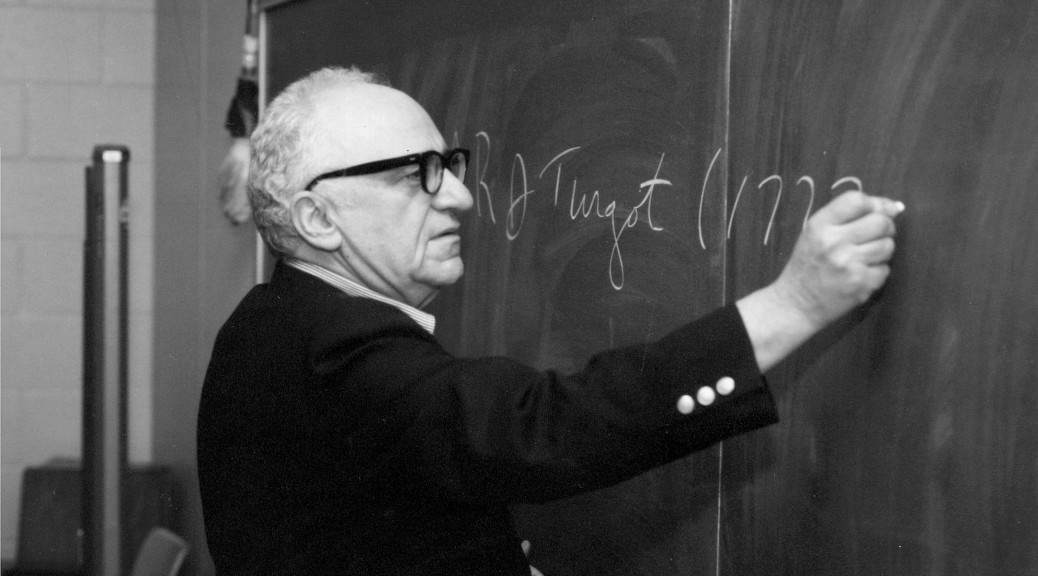
Murray Rothbard (1926–1995), founder and primary theoretician of anarcho-capitalism.
USD8 is rooted in the philosophical proposal of anarcho-capitalism where a voluntary society would use insurance companies and private agencies to replace essential services provided by centralized state system. Incentives are carefully aligned in this system using capitalism and game theory to achieve a functional society without central government presents.
We adapted this model and made it crypto native, to provide the last missing piece for Defi and the whole crypto system. USD8 will be serving two major purposes - as insurance to cover users’ losses and as an order-enforcing mechanism to recover hacked assets.
The Insurance
USD8 offers free insurance to DeFi users according to their insurance score based on USD8 usage history, covering a range of DeFi tokens vetted by our team and third party security partners. The more you use USD8, the more you are covered. If any insured Defi token drops significantly(currently 20%), users can claim up to 80% value back.
E.g., if Aave USDC market is hacked and 1 aUSDC drops to 0.3 USDC, users can claim up to 0.8 USDC in value with their aUSDC.
The actual payout depends the user’s USD8 history vs other claimers, and the Cover Pool size.
Payouts come from USD8’s Cover Pools which are public vaults with different asset types, incentivized by USD8’s treasury revenue. Any LPs depositing into Cover Pools will get stable coin yield in USD8, however assets in the Cover Pool might be deployed to cover any potential losses.
This insurance system is exciting because:
- It is a first-in-the-industry coverage, free for all USD8 users, past and present.
- It offers a new stream of yield in stable coins for assets that traditionally lack yield sources, like wBTC, or even alts like AAVE, LINK, UNI… unlocking capital efficiency.
Order Enforcement
Since USD8 sits on a pile of hacked LP tokens after users claim, this puts USD8 in a unique position with significant financial incentives to recover these funds. USD8 will be cultivating a White Hat Economy as opposed to the current crypto system rewarding black hats. This white hat economy will involve the public in tracing and recovering the lost funds — read more on the White Hat Economy page.
This system could cultivate a positive culture with significant incentives for good actors and extra burden to deter malicious ones, leading to a perception reality to further reduce malicious acts for the industry as a whole - If hackers know they will be forever chased by the public and professionals for their wrongdoing, their decision to hack and steal might change at the moment of committing the crime.